
Outrage at LIFE University for Inviting NBCE CEO to a Student "Cocktail Hour" Amid Graduation Mandates and Accreditation Pressures
A Closer Look at NBCE’s Campus Access at Life University

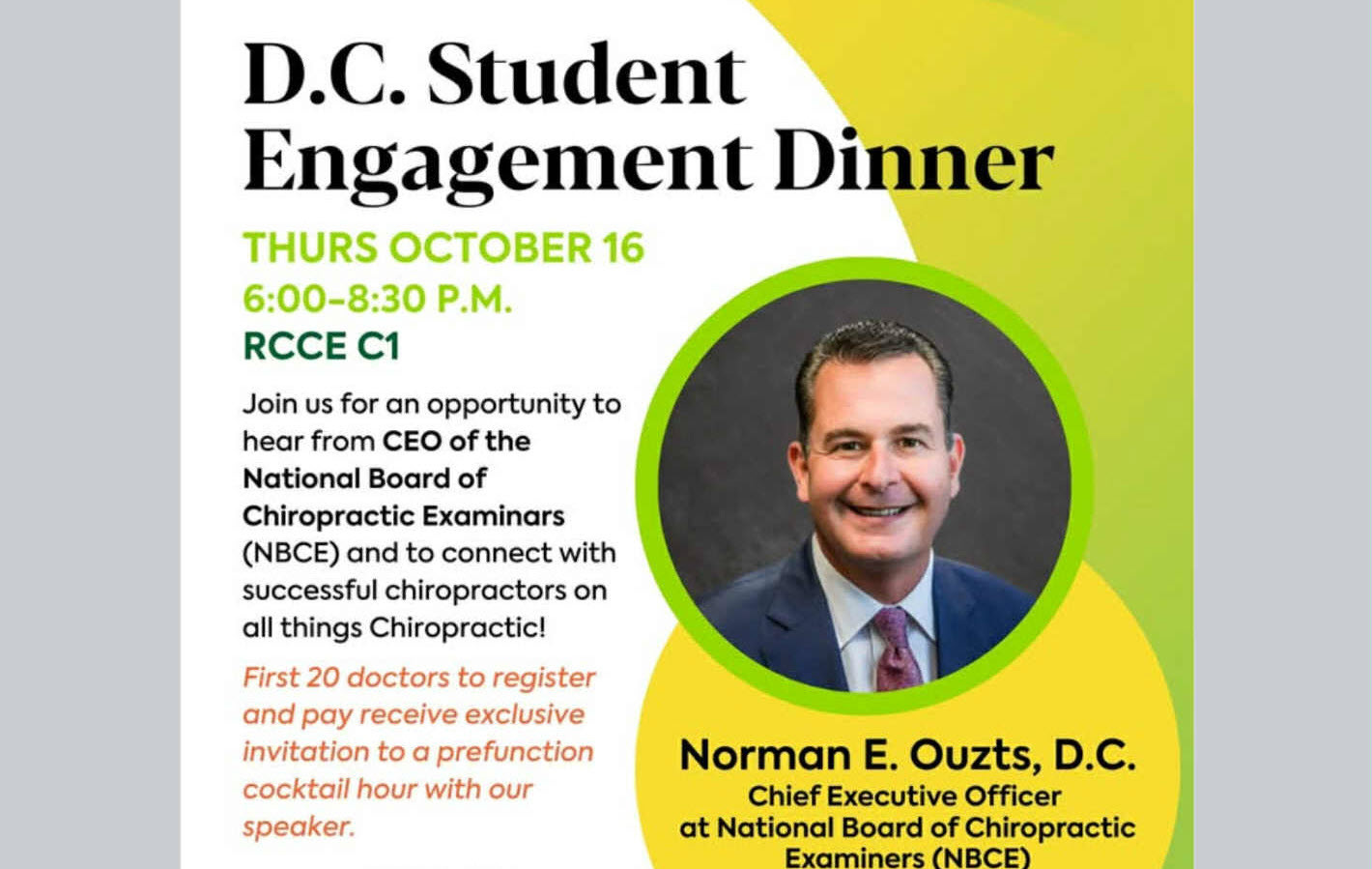
Life University's Alumni Association is hosting a student engagement dinner and cocktail hour featuring Norman E. Ouzts, D.C., CEO of the National Board of Chiropractic Examiners (NBCE), to discuss "subjects surrounding the National Boards." The event, held on campus in a LIFE university facility, solicits sponsorships from alumni doctors, offering a paid VIP "cocktail hour" to the first group, and coincides with LIFE's new policy requiring students to pass all NBCE exams before graduation.
LIFE is the first school in the history of chiropractic to mandate this and insiders believe that the decision was not made simply to push LIFE’s pass rates higher but because LIFE insiders wanted to do the CCE and NBCE a favor. LIFE’s Chair of the Board of Trustees Kevin Fogarty is a long time insider within the intricate web of private corporations that enjoy mutually beneficial monopolies while running the chiropractic profession. According to faculty and administrators, Fogarty is felt to be the de facto leader running the school while Brian McAulay DC cleans up the accreditation and financial mess left behind by Guy Riekeman and his administration.
CLICK HERE for more on that history
This setup raises serious concerns about conflicts of interest, undue influence from a private testing monopoly, and potential violations of student rights. It echoes allegations in what has been reported to be thousands of Student Loan Borrower Defense claims from LIFE graduates, who claim the institution and profession misled them about licensure pathways and career success.
Coincidentally or not as recently proposed revisions to the Council on Chiropractic Education (CCE) Accreditation Standards highlight the lessening of strict enforcement timelines for noncompliance, like LIFE's probation for low NBCE pass rates, from just two years to as long as four years, these actions risk entrenching a "chiropractic cartel" that prioritizes vendor interests over student welfare and the appearance of a quid pro quo cannot be denied.
"Mentorship should empower students to ask hard questions, not funnel them into a single vendor's narrative."
Background and Core Facts
The event, promoted by LIFE's Alumni Association, positions the NBCE CEO as a keynote speaker in an academic forum on campus during prime evening hours, signaling institutional endorsement. While the announcement bans "solicitation," it actively solicits funds from alumni to sponsor student seats and dangles exclusive pre-event access for paying donors. This contradiction turns what could be neutral educational programming into a revenue stream tied to privileged interactions with a key industry figure.
These details are especially troubling given LIFE's recent policy shift for graduation. In February 2025, the university announced that, starting Fall 2025, chiropractic students cannot graduate without passing all four parts of the NBCE exams, a high-stakes external requirement not under university control. This mandate aligns with CCE Policy 56, which demands an 80% four-year NBCE pass rate within six months of graduation to maintain accreditation. LIFE is currently on probation for failing this threshold, with a critical CCE review slated for 2026. By tying graduation to NBCE passage, LIFE appears to be gaming the system to boost compliance metrics, even as its own data shows most students eventually pass beyond the six-month window.
The NBCE, CCE, and Federation of Chiropractic Licensing Boards (FCLB) form a tightly knit triad that enforces this monopoly. State boards often defer to their standards, while students bear the financial and logistical burdens, funded largely by loans that fuel the entire ecosystem.
"If a private vendor's CEO keynotes a university event, and payment buys private access, it's no longer neutral education, it's vendor promotion."
Legal and Governance Concerns
This convergence of events implicates core duties universities owe students: candor, care, and avoiding coercive or misleading practices. It also flouts best practices for conflict disclosure, fair dealing, and balanced viewpoints in academic settings. Foreseeable risks include misrepresentations that could lead to legal challenges, especially amid ongoing Borrower Defense claims against LIFE and claims that can arise from blocking graduation for the benefit of a private corporation.
Key issues include:
Conflict of Interest and Undue Influence: Spotlighting the NBCE, a monopoly testing vendor, in a university setting without diverse perspectives risks omitting critical information and exploiting a captive audience of students reliant on NBCE for licensure.
Deceptive Framing: Labeling the dinner "mentorship" while it doubles as NBCE messaging, complete with paywalled VIP access, confuses participants about the event's true purpose and expectations.
Solicitation Inconsistencies: Prohibiting solicitation in one breath while fundraising and offering donor perks in the next undermines credibility and invites compliance scrutiny.
Institutional Endorsement: Using university facilities and branding implies LIFE's stamp of approval on NBCE policies, potentially breaching governance standards and duties of care to students.
These aren't abstract worries. As already stated, the recently proposed revisions to the Council on Chiropractic Education (CCE) Accreditation Standards highlight the lowering of strict enforcement timelines for noncompliance, like LIFE's probation for low NBCE pass rates, from just two years to as long as four years. These recent proposed revisions to CCE Accreditation Standards coupled with LIFE’s mandate, paired with the event, could be seen as coercive acceleration to meet these timelines, shifting risks onto students.
"When a private vendor's outcomes dictate academic pacing, students pay the price while the vendor holds the leverage."
NBCE Part IV Centralization: Amplifying Student Burdens
Ouzts' appearance arrives amid NBCE's controversial shift: centralizing the Part IV practical exam at its Greeley, Colorado headquarters starting in 2026. Previously offered at regional sites (often chiropractic colleges), this "Greeley Grift" forces candidates to travel far from schools, homes, or clinics, ignoring stakeholder objections, including from schools that rejected the plan.
The harms are immediate and quantifiable: escalated travel/lodging costs, lost clinic hours, canceled-sitting risks, and misaligned exam dates with academic calendars. Centralization bolsters NBCE's control, offloads costs onto students, and eliminates local access, all while standardization claims ring hollow against widespread criticism that Part IV itself is unnecessary.
The Chiropractic Cartel: A Concentrated Power Structure
Reform advocates highlight a self-reinforcing triad:
Accreditation Monopoly (CCE): Ties program survival to NBCE pass rates via Policy 56 and Standard 2.A.4, with probation or revocation for failures (as detailed in the proposed CCE revisions, allowing limited extensions but mandating swift action to protect students).
Testing Monopoly (NBCE): Sells proprietary exams that gatekeep licensure, with no viable alternatives.
Licensure Enforcement (FCLB and State Boards): Aligns with the above, often providing perks like travel to insiders while students foot the bill.
Schools like LIFE face existential pressure to conform, regulators rubber-stamp the status quo without scrutiny, and students navigate a costly, inflexible pipeline.
Impact on Students: Exploitation in Action
The fallout hits students hardest:
Financial Extraction: Exam fees, retakes, travel, and lodging drain resources already stretched by loans.
Coercive Dependency: Graduation and licensure timelines bend to NBCE's scheduling, with opaque scoring and appeals.
Suppressed Discourse: Vendor-led events like the cocktail hour stifle debate on costs, errors, or reforms.
Opportunity Costs: Delays from centralized exams or failures push back practice starts, residencies, and earnings.
"Students fund the cartel, absorb the risks, and endure the delays—while vendors set the rules and prices."
The CCE's proposed standards underscore this: Noncompliance actions like probation (up to 48 months for pass-rate issues) require public notice to safeguard students, yet LIFE's approach seems to prioritize accreditation and Cartel favor over individual student rights.
Minimum Safeguards and Remedies
To protect students and restore integrity, LIFE and its Alumni Association must act:
Balance the Agenda: Pair NBCE with independent experts, student reps, and faculty for equal-time panels and uncensored Q&A.
Full Disclosures: Pre-event transparency on costs, retakes, accommodations, data metrics, errors, and appeals.
End Paywalls: Eliminate donor-only access; no VIP perks at student events.
Policy Clarity: Publicly affirm the graduation mandate wasn't coerced; explain why LIFE adopted it despite data showing high long-term pass rates. Ensure a student advocate attends to capture on-record responses.
Transparency Measures: Record and publicly release the event (video, slides, docs) for review and accountability.
If the forum is genuinely educational, balanced input, disclosures, and open access should pose no threat.
Conclusion
Universities exist to serve students, not entrench monopolies. By hosting a pay-to-access NBCE CEO event while mandating NBCE passage for graduation, amid CCE probation pressures and proposed enforcement tightenings, LIFE risks conflicts, harms, and legal backlash. Implementing safeguards, clarifying policies, and prioritizing student rights can course-correct. Absent that, this looks less like mentorship and more like market-making on students' dime, perpetuating a cartel that the CCE standards aim to regulate but may inadvertently enable.

I think this is an event you will see taking place at all the schools as they try to paint a pretty picture of how they are "helping" the profession and guiding it toward "mainstream". While at the same time they are actually instituting policies that are no longer mainstream.